
EvergreenResearch
Why Confidence Lives in Your Closet, Not Your Head
12 minutes every morning. 70 hours every year. All spent standing in front of a closet full of clothes. The problem is almost never the clothes.
June 10, 20266 min read
Read →From the team
Honest writing about confidence, styling, and what it actually means to know what to wear.
More articles
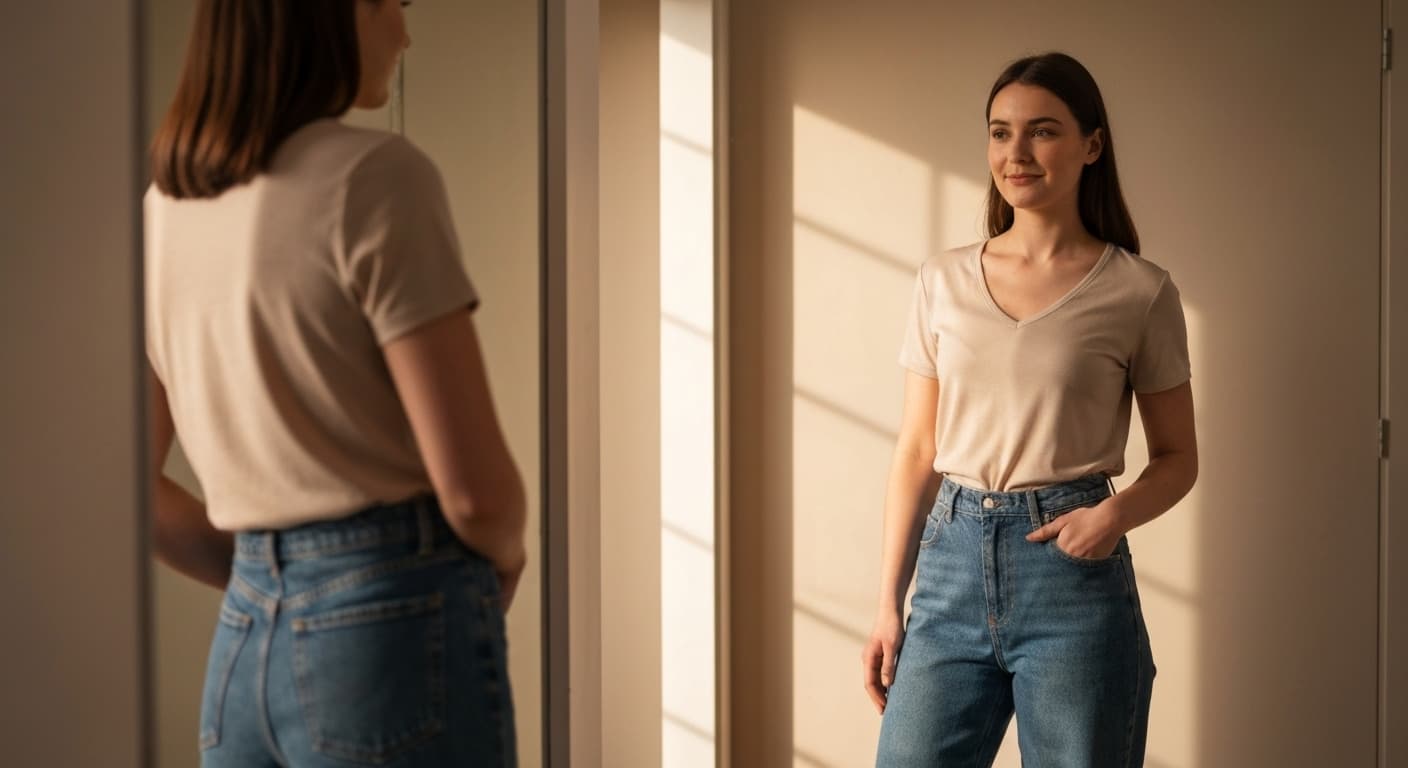
Most style content is about what to buy. This one is about what to wear. That is a completely different conversation.
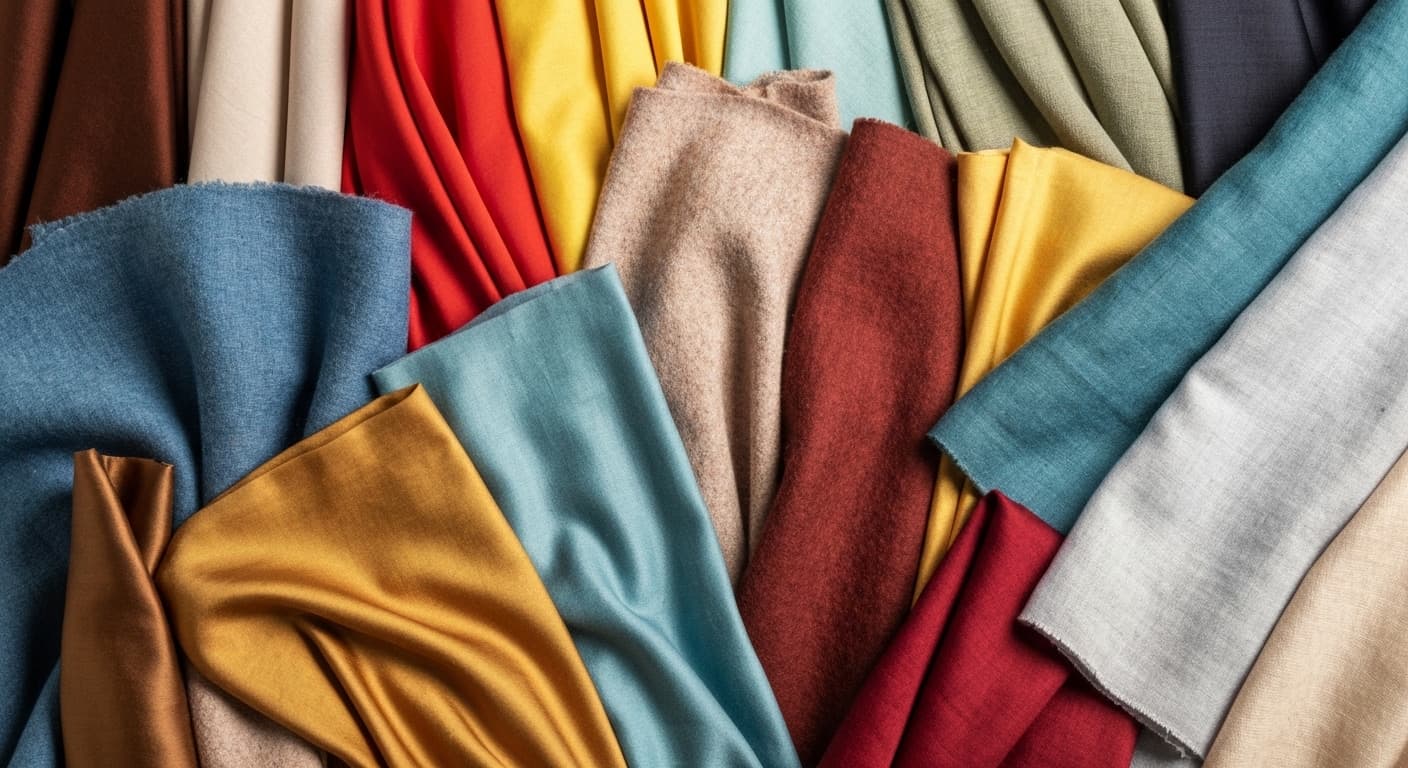
You probably have a favorite color. There is a reasonable chance the version you usually buy is not the most flattering one on you. The fix takes four minutes and costs nothing.
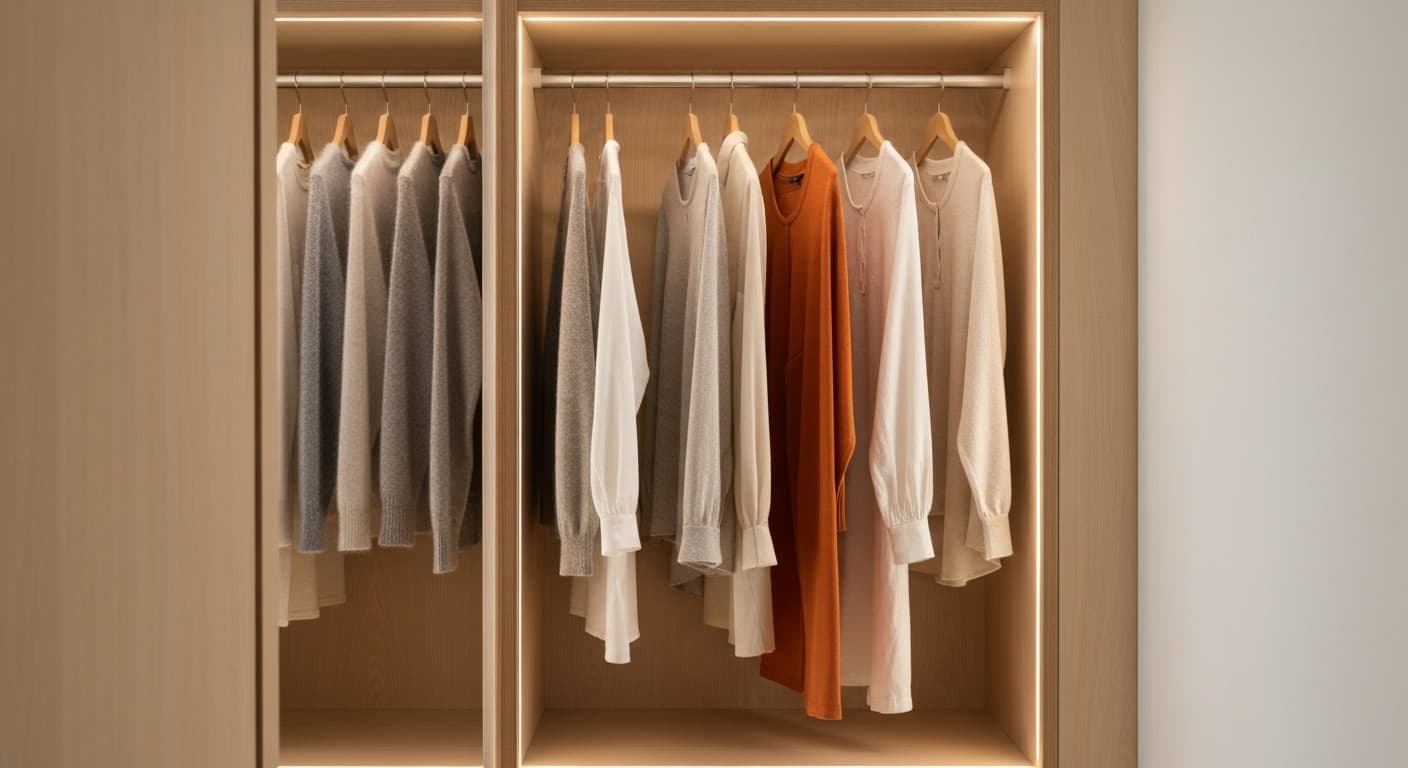
A capsule wardrobe is not a shopping exercise. It is a decision environment — built once, so the closet answers you every morning without effort.
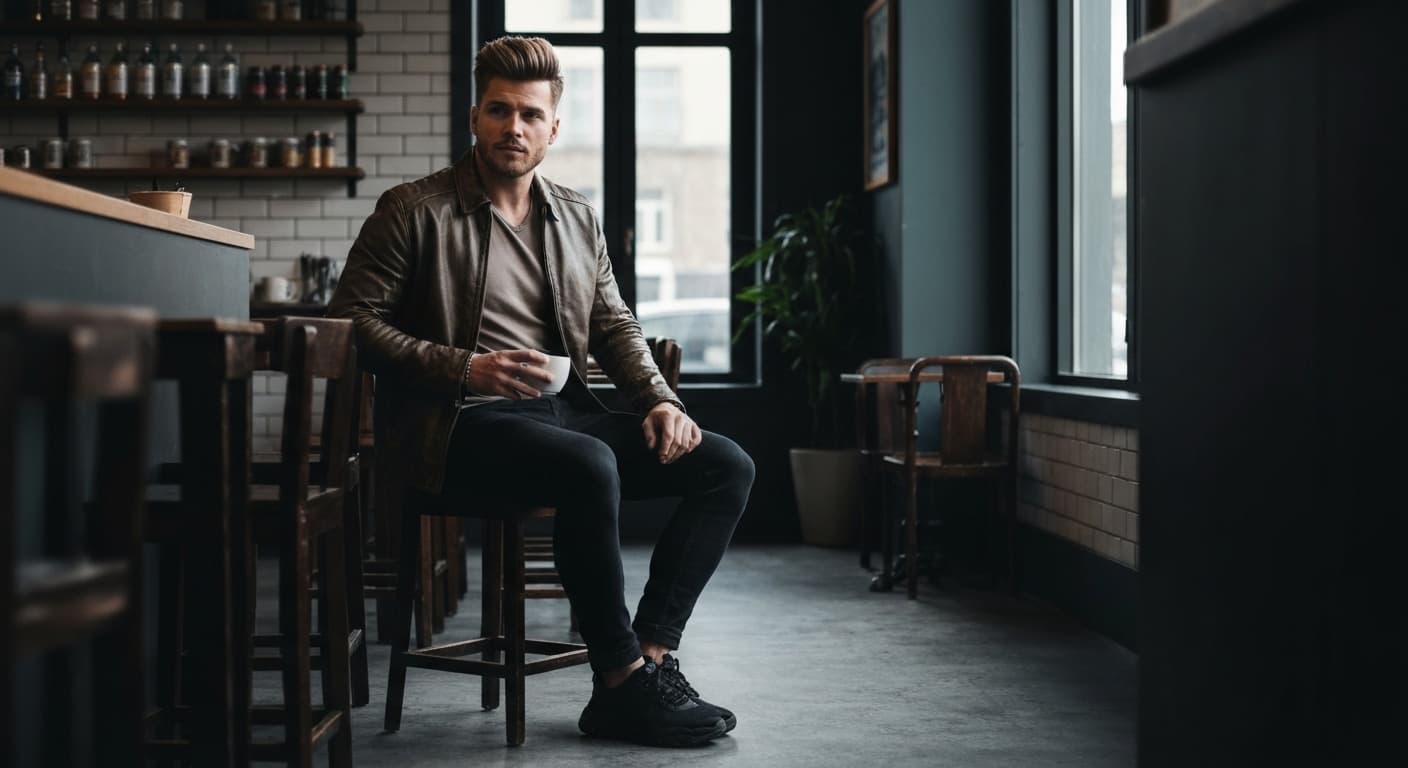
Every season, the trend piece tells you what to buy. This one tells you which 2026 trends activate what you already own — and which ones to ignore entirely.
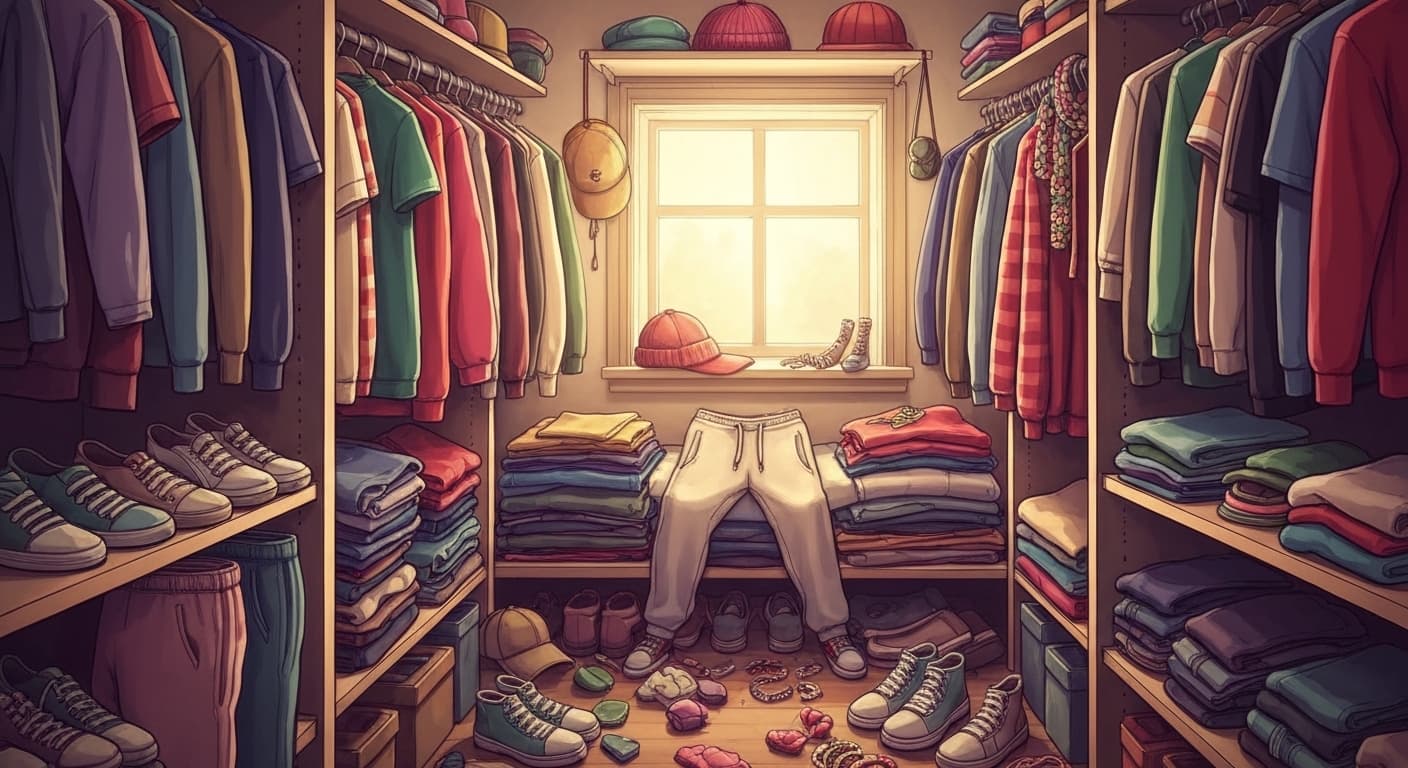
"I have nothing to wear" is almost never literally true. The person saying it is usually standing in front of a full closet. The problem is not scarcity.
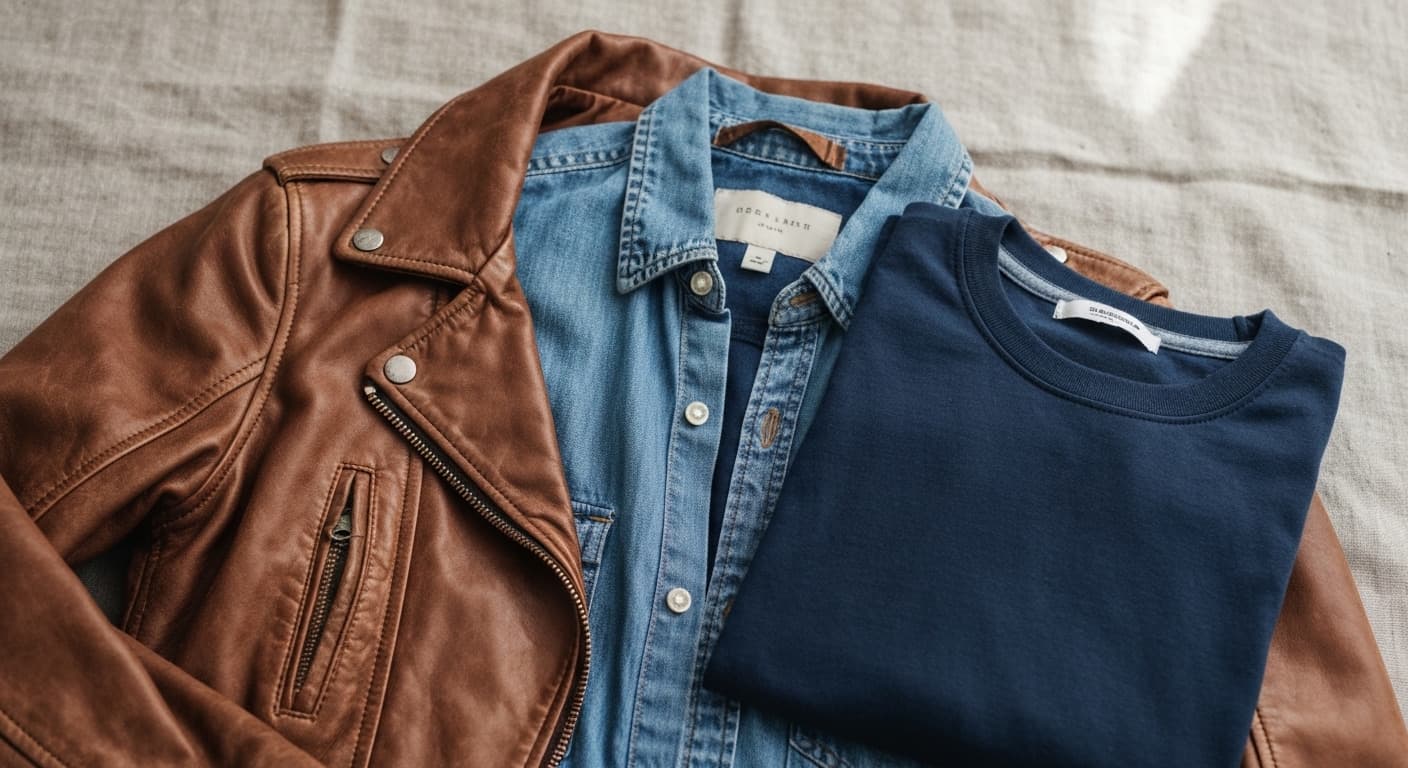
Somewhere between five and eight outfit combinations account for the vast majority of your mornings. This is not a failure of imagination. It is your style telling you something.
The "dress for your body type" advice starts with what to hide. A real stylist starts somewhere else entirely — with proportion, length, and how fabric behaves on a moving body.
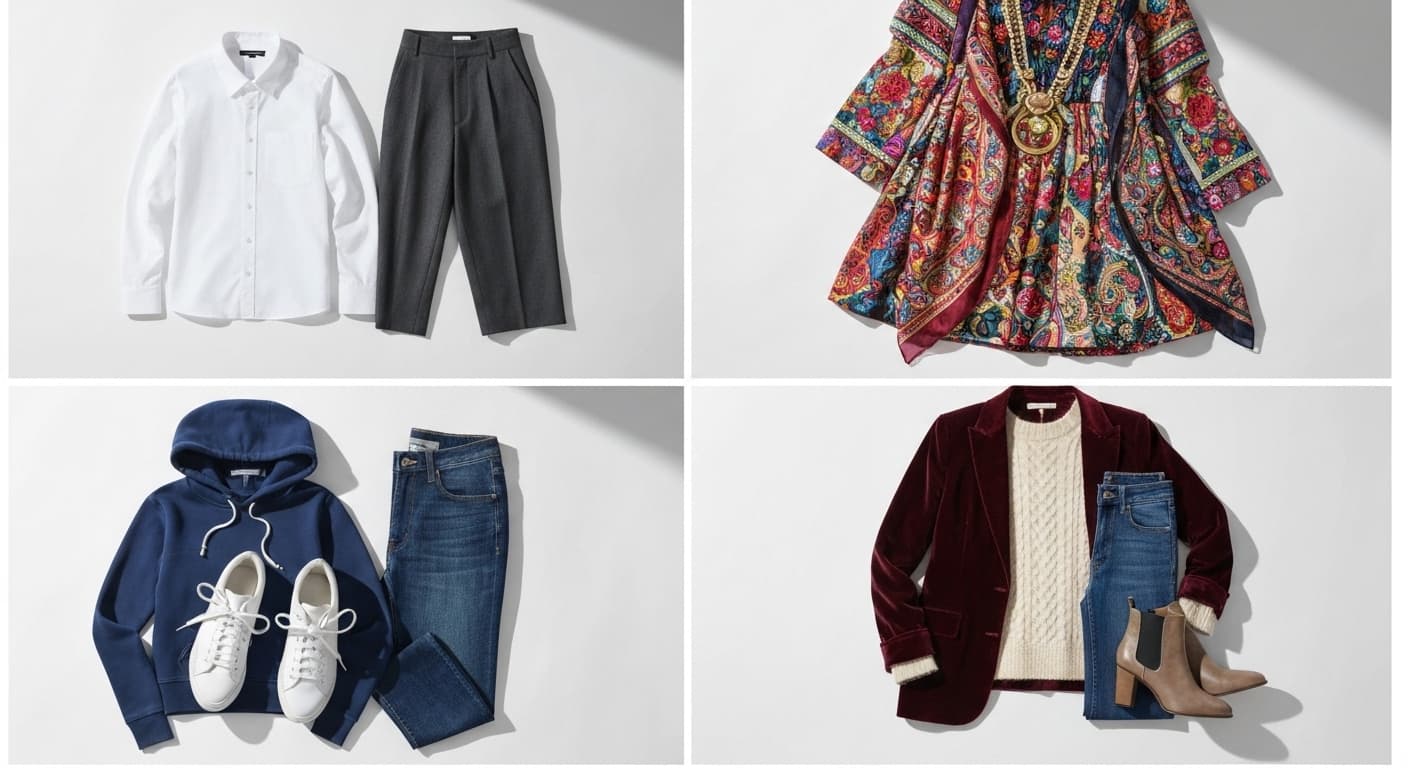
Most people can describe what they do not want to wear more clearly than what they do. That gap — between the avoidance and the instinct — is where your style archetype lives.
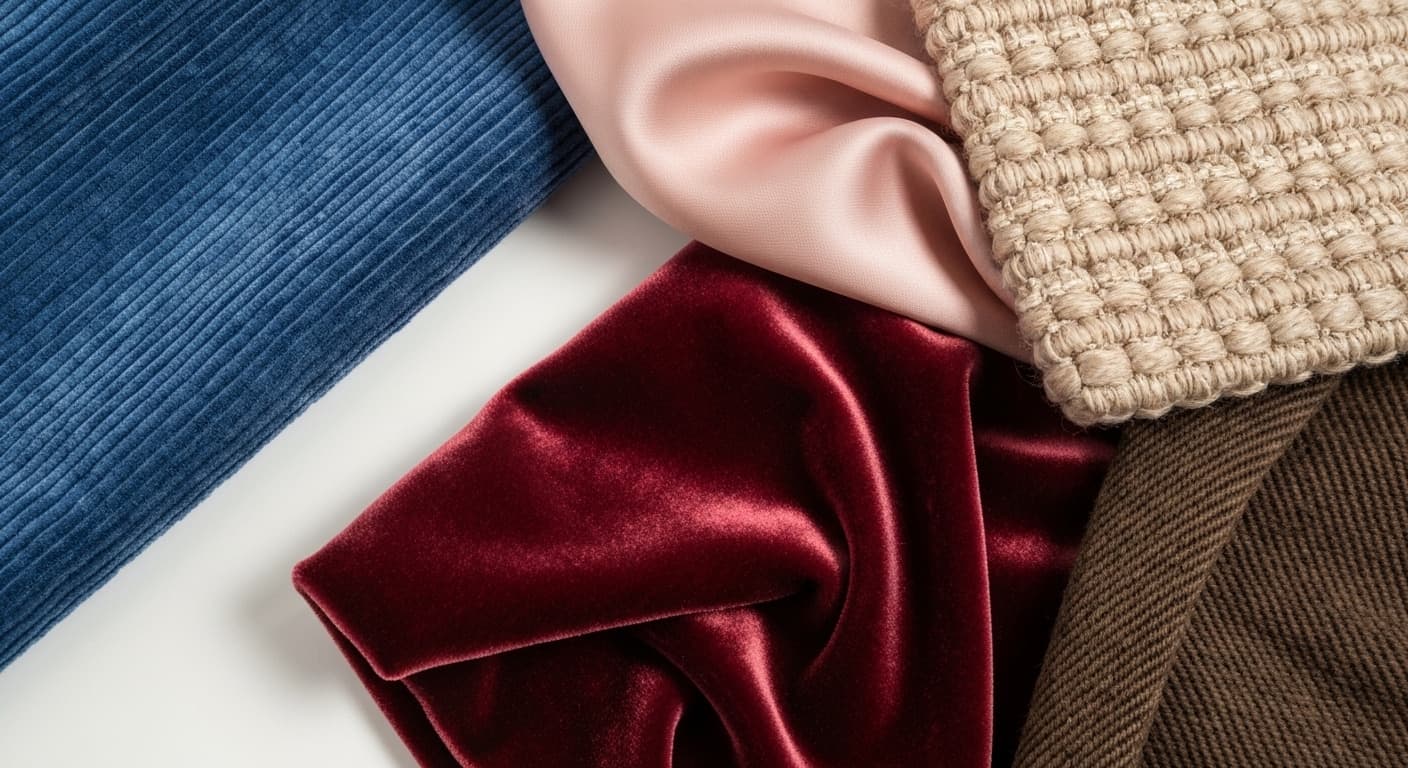
When an outfit works and you cannot say why, texture is usually doing the heavy lifting. When it is off and you cannot say why, a texture clash is almost always the culprit.

What you wear to an interview does not get you the job. But wearing the wrong thing can put you in a mental position from which you never quite recover during the conversation.
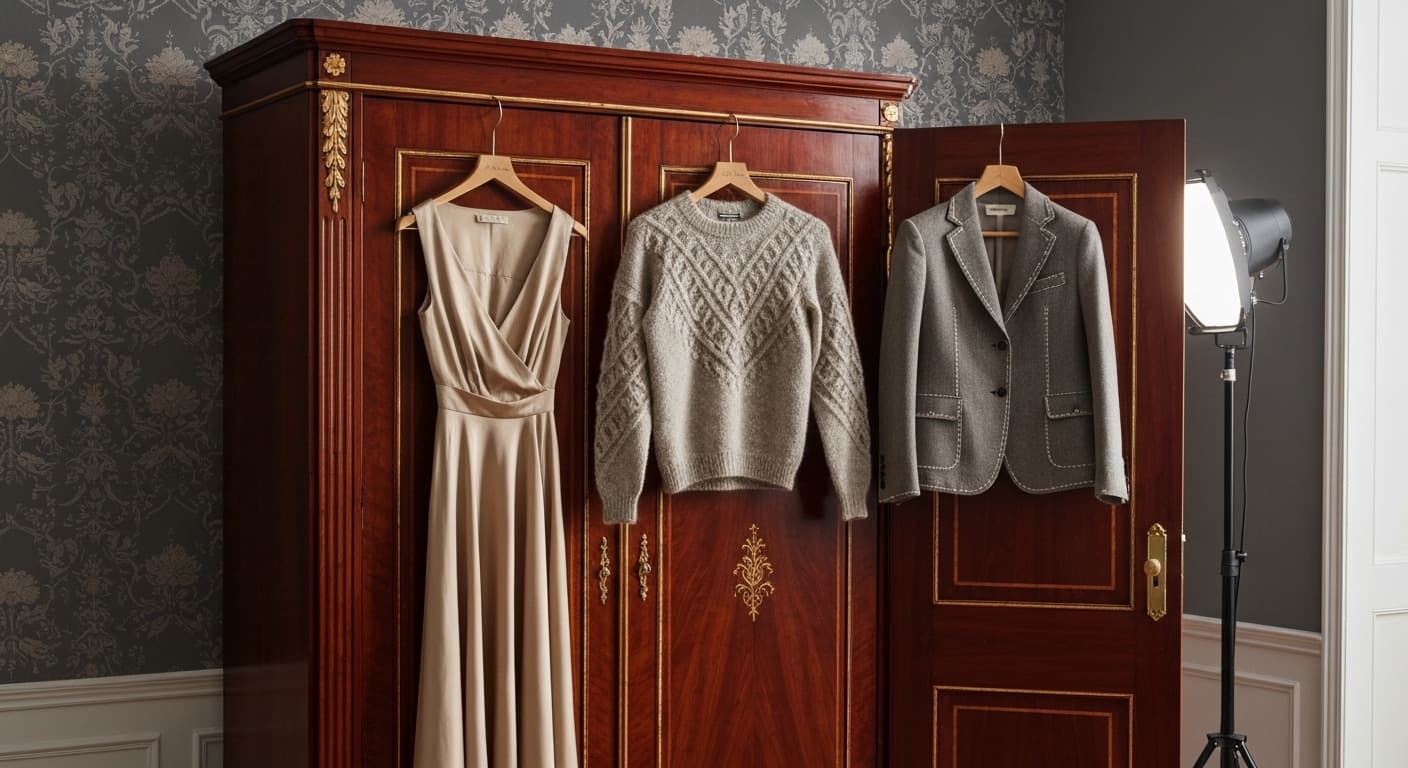
Most wardrobes contain at least one piece that is genuinely loved and almost never worn. The piece is not waiting for the right moment. It is waiting for a moment that does not exist.
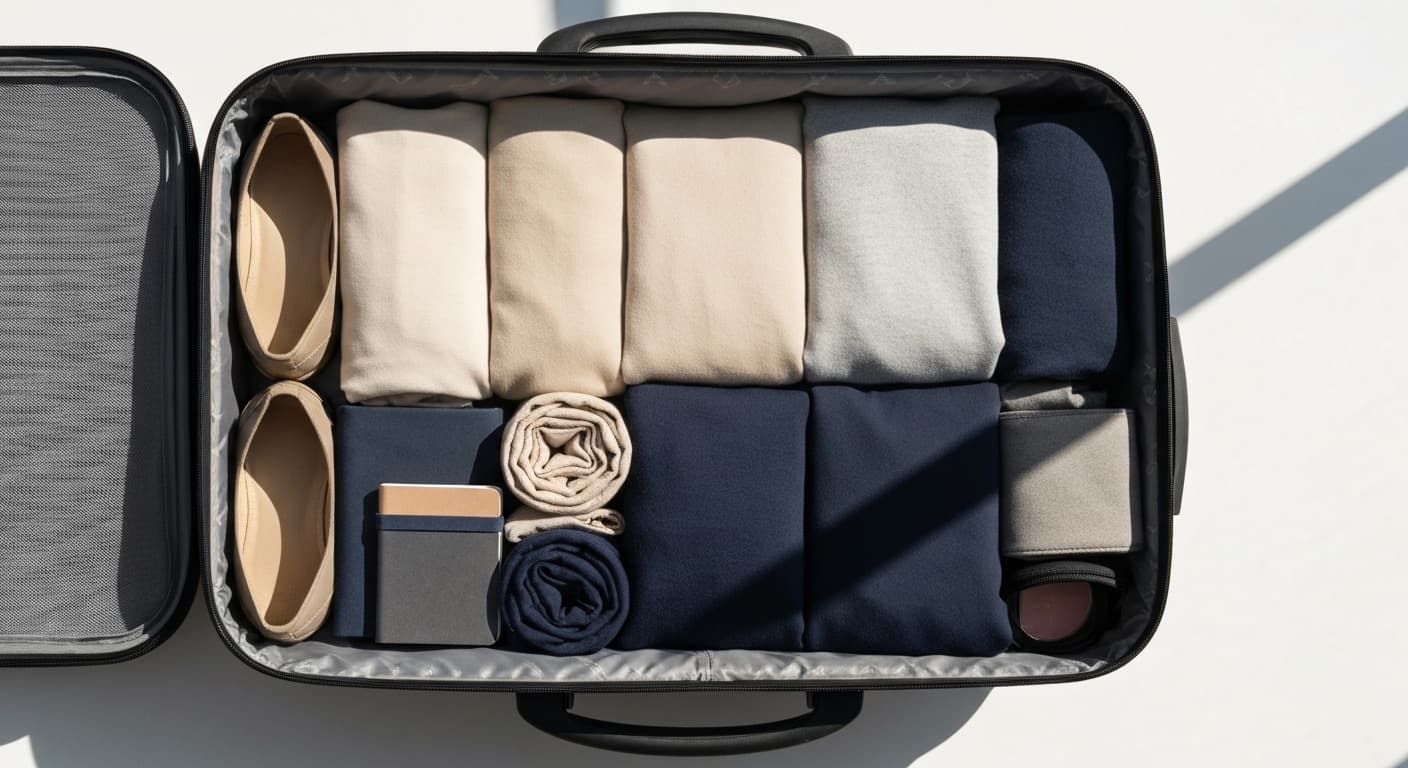
Most people on a ten-day trip wear the same five or six pieces repeatedly. The rest travels in the suitcase, unworn, and comes home to be washed without being used.
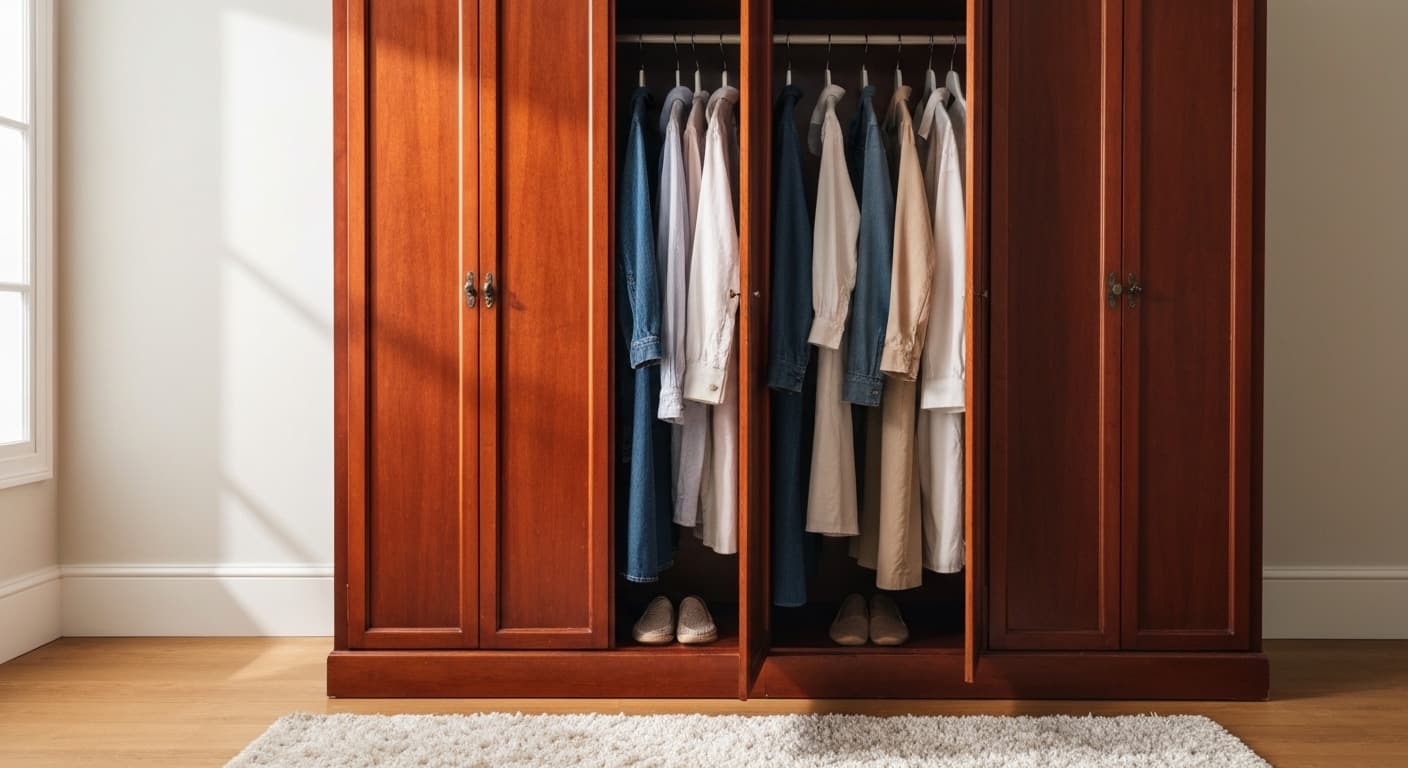
When the body changes and the wardrobe does not catch up, getting dressed becomes a daily reminder of the gap. The clothes you wear today are the ones that determine how you feel today.

The wardrobe that worked at 25 starts to feel like it belongs to someone else. Most people do not know what to replace it with — because no one tells you what style is supposed to be once it stops being about staying current.
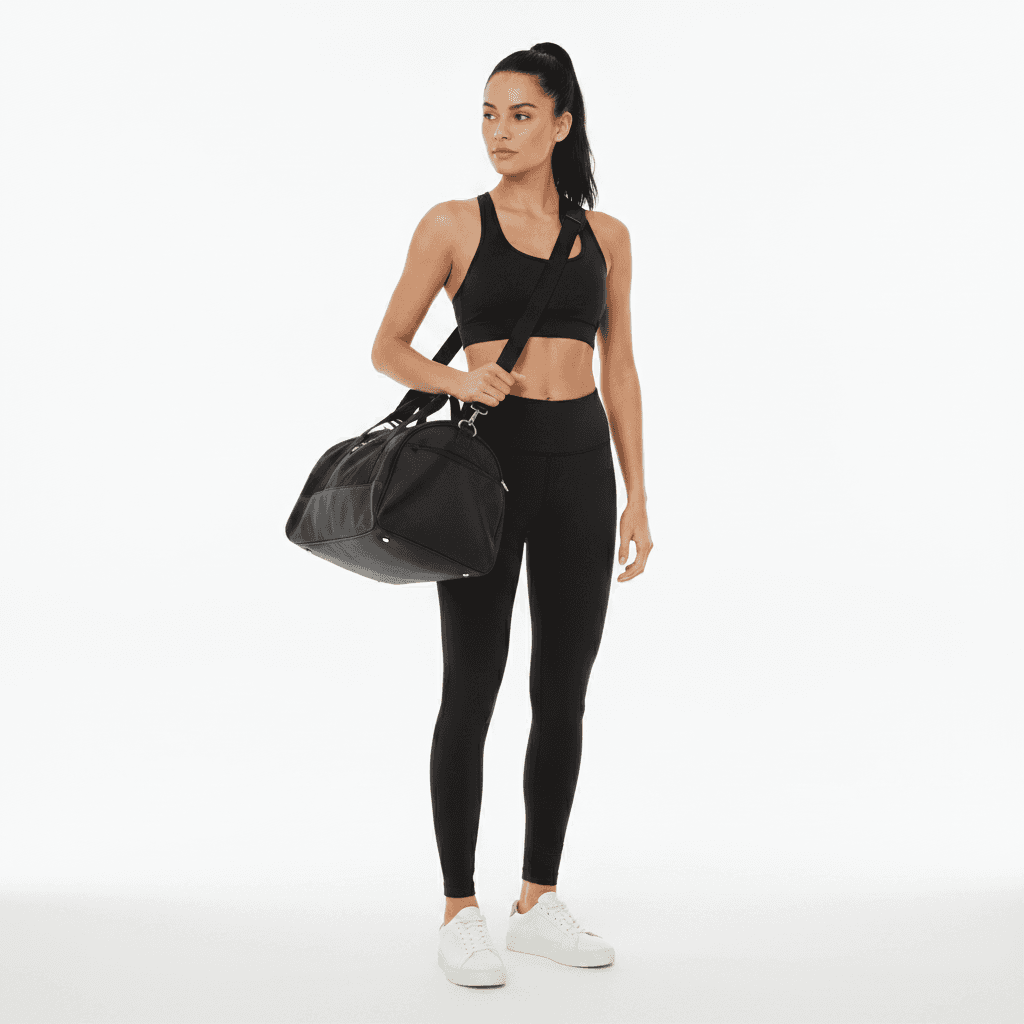
One black sports set. Five completely different occasions, from the gym to a night out.
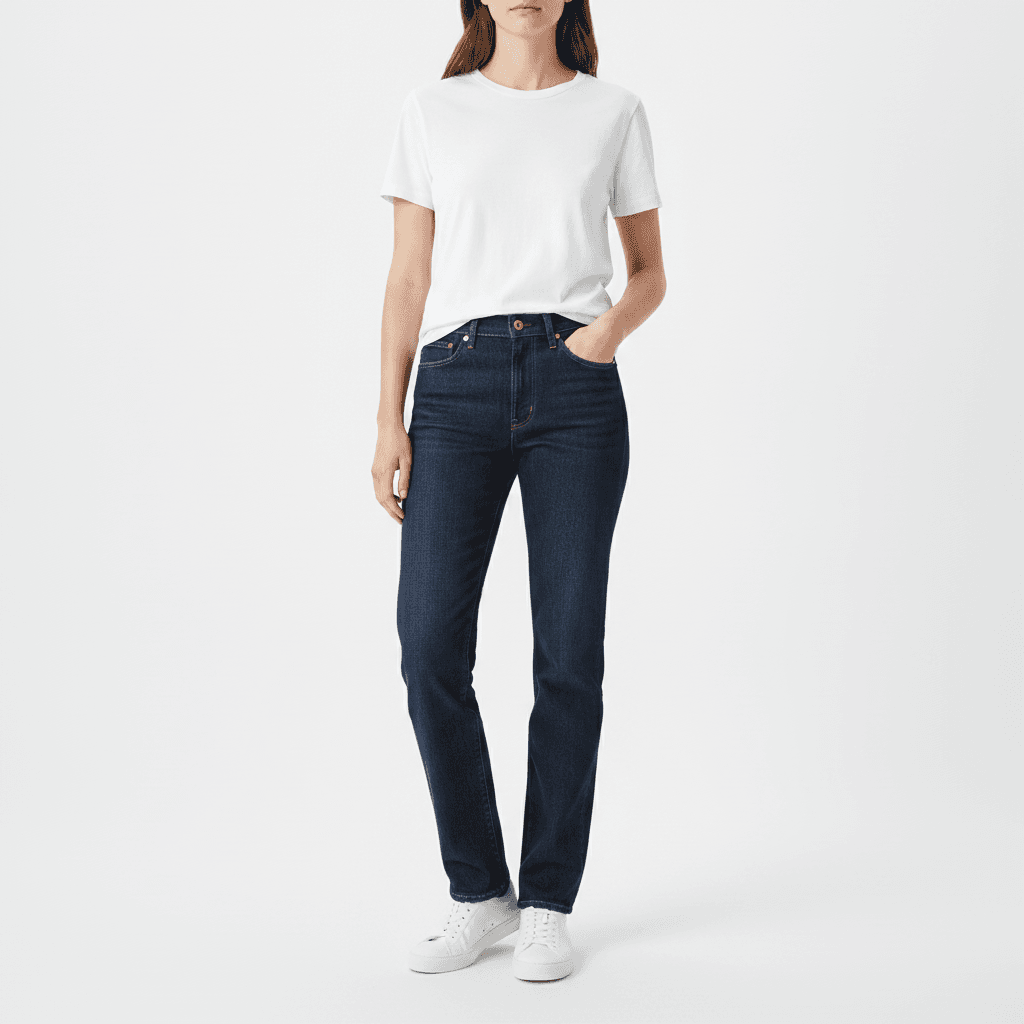
One pair of dark wash straight-leg jeans. Five completely different occasions, from weekend casual to elevated evening.
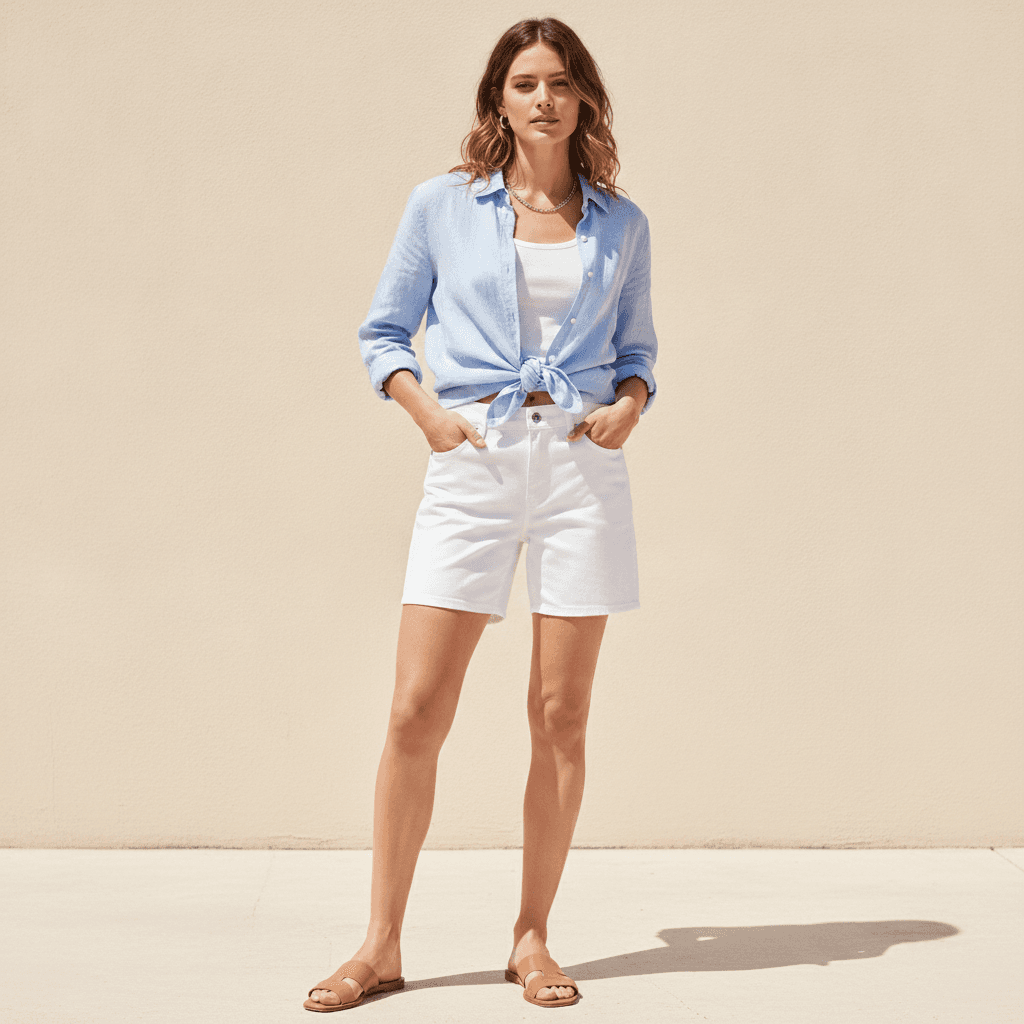
One pair of white denim shorts. Five completely different occasions, from the beach to a night out.
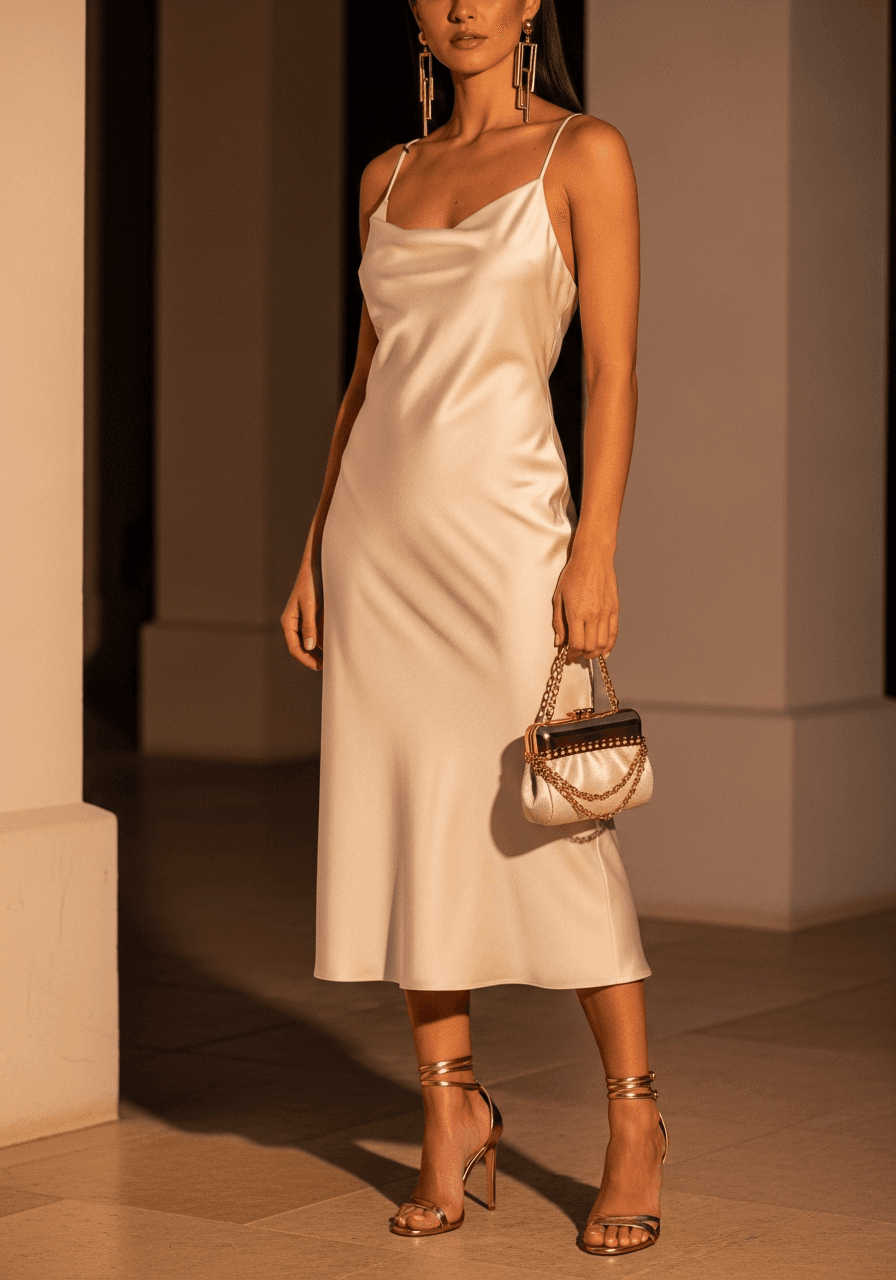
One slip dress. Five completely different occasions, from Sunday morning coffee to a beach resort.
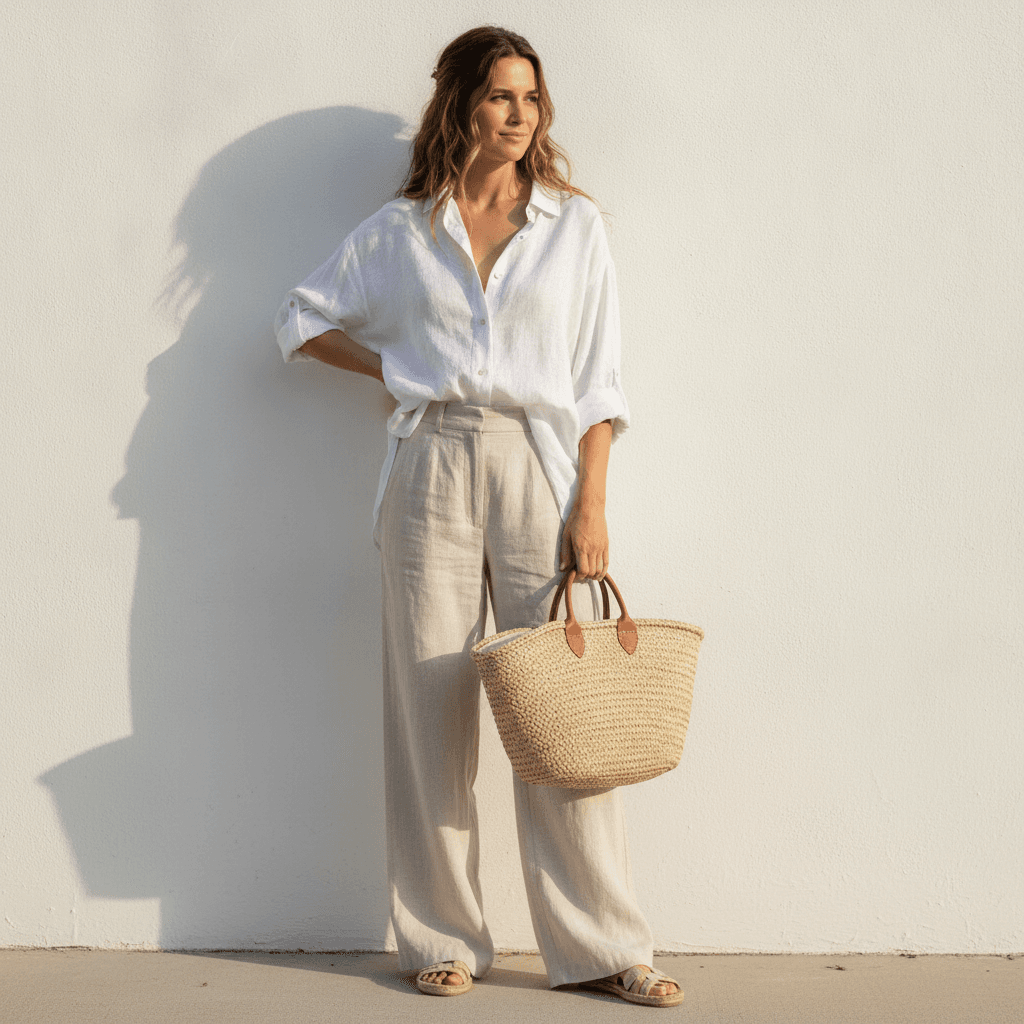
One white linen shirt. Five completely different outfits, from beach to bar to office.
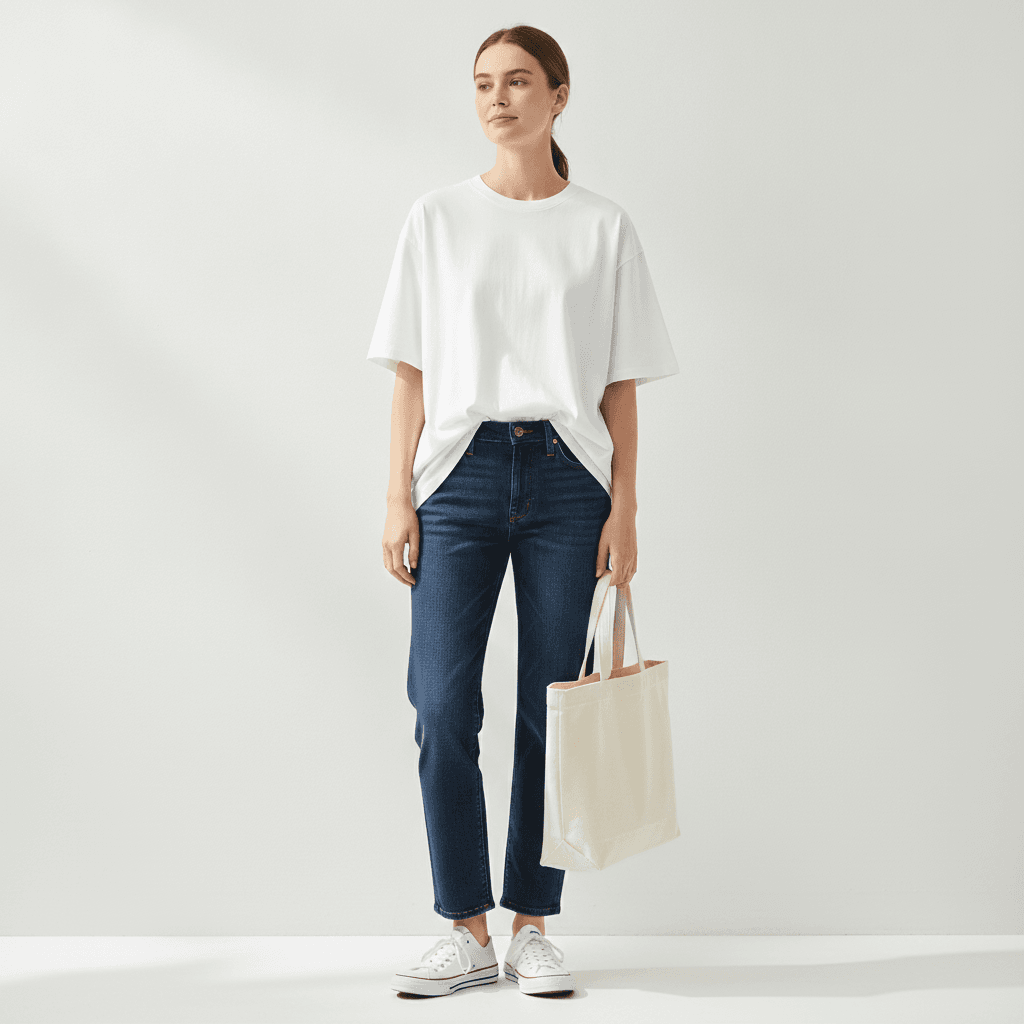
One white oversized t-shirt. Five completely different outfits, from weekend casual to evening.