There is a specific version of the “I have nothing to wear” feeling that is different from the ordinary one. It happens when the body has changed, gained weight, lost weight, had a baby, gone through illness, or simply arrived at a decade where it looks and moves differently than it used to, and the wardrobe has not caught up.
This version is harder because it is not a logistics problem. The clothes do not fit, or they fit differently, or they fit technically but feel wrong in a way that is difficult to name. The problem is the gap between the body you have now and the wardrobe that was built for a body that no longer quite exists.
Why this is an identity problem, not a shopping problem
Clothing is one of the primary ways people communicate identity, to others and to themselves. Research on clothing and body image consistently shows that the relationship between what we wear and how we feel about our bodies runs in both directions. A body change disrupts the clothing-identity relationship, and getting dressed becomes a daily reminder of the disruption until the wardrobe is recalibrated.
The reflex response is often to wait: to hold off on investing in a new wardrobe until the body “goes back” to where it was. Sometimes that is reasonable, in the case of temporary changes. Sometimes it is a way of withholding comfort and confidence from the body you actually have right now. Most people know the difference when they are honest about it.
The alternative to waiting is not a shopping spree. It is something smaller and more precise: rebuilding the relationship between your current body and the clothes it wears, one piece at a time.
Start with what still works
Before anything else, go through the existing wardrobe and identify what still feels right. Not technically fits: feels right. Some pieces will have adapted. A looser fit that felt oversized before might feel comfortable and deliberate now. A structured piece that used to feel sharp might feel like the wrong signal entirely.
What remains is your current baseline, the anchors for a recalibrated wardrobe. These pieces are also information about what your style instincts actually are, separate from the body they are dressing. Most people find that their fundamental preferences, the silhouettes they reach for, the register they are comfortable in, the fabrics that feel right, are more consistent than they expected. The body has changed. The person has not, or not entirely.
Understanding what has actually changed
A body change shifts the specific proportions that determine which garments will work. The shoulder-to-hip relationship may have changed. The natural waist position may read differently. Hems that worked at a previous weight may now fall at different points on the leg. This is not better or worse than before. It is different, and dressing for it requires an updated body reading.
The most useful recalibration question is not “what can I hide?” It is “what proportions am I working with now, and which garment structures create the visual relationships I want?” That is a different question, and an honest one. It produces better answers because it starts from the body you have rather than the body you are measuring against.
Rebuilding: the minimum viable wardrobe
A full wardrobe rebuild is rarely necessary and often counterproductive. It produces a new closet full of things bought quickly under stress, which tends to be poorly considered. The more effective approach is to identify the two or three specific gaps causing the most daily friction and fill those precisely.
For most people after a body change, the gaps are: a bottom in a neutral that fits well enough to feel like a reliable anchor, and one or two tops that work with the undertone and silhouette of the current body. Those three pieces, combined with what already works, typically restore the ability to get dressed without the daily friction. Everything else can follow at the natural pace of a wardrobe evolving.
What to do with things that no longer fit
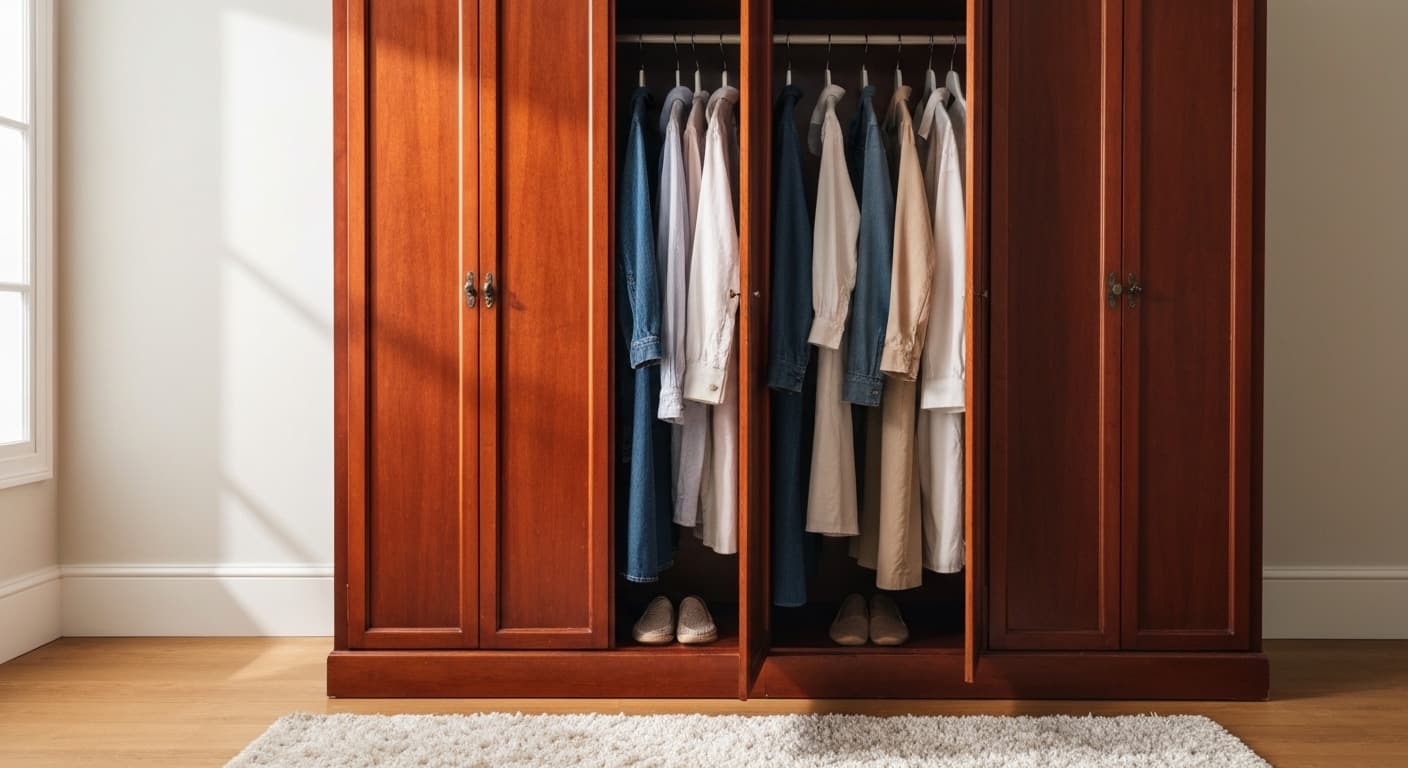
This question has a practical answer and an emotional one, and the emotional one matters more. Clothes that no longer fit but are kept “for when” are a constant low-grade reminder of the gap between the body you have and the body the wardrobe was built for. They do not sit quietly. They are present every time you open the door.
Letting them go is not giving up on the possibility of change. It is making a decision to dress the body you have right now, which is the only body that ever actually gets dressed. The clothes you wear today are the ones that determine how you feel today. The confidence that lives in your closet is built from what is actually there, not from what might be there again someday.