“Dress for your body type” is one of the most repeated pieces of style advice and one of the least useful. The pear, apple, hourglass, and rectangle system was designed to tell you what to hide: which parts of your body are the problem and which clothes will conceal them. A good stylist does not start there. They start somewhere else entirely.
What body reading actually is
Before a professional stylist selects a single piece, they read the body as a set of proportions: where the longest lines are, where visual weight naturally sits, how the body moves, what the relationship is between shoulder width and hip width, where the natural waist falls. These are neutral observations, not assessments of what is wrong.
The goal is not to make the body look different. The goal is to understand which clothing choices will work with the body's existing proportions rather than against them. Which lengths create visual harmony, which structures complement the body's natural line, which fabrics move in a way that feels right rather than fighting the body underneath.
Fashion researchers at the intersection of design and body perception have documented that the most consistently “flattering” clothing choices are not those that minimize or exaggerate. They are those that create visual coherence between the body's proportions and the garment's structure. Coherence, not correction.
The four things a stylist actually looks at
Shoulder-to-hip ratio. This is the primary proportion for understanding which silhouettes will feel balanced. When shoulders and hips are close in width, almost any silhouette works. When there is a significant difference in either direction, certain structures will read as visually weighted in a way that feels unintentional. A structured shoulder on a narrow shoulder frame creates visual width. A wide A-line skirt on an already wide hip frame amplifies rather than balances. Neither is wrong — both are information about which proportions to work with.
Natural waist position. The natural waist is not always where clothes assume it is. High-waisted garments look different on a person whose natural waist sits at a standard height versus someone whose torso runs longer or shorter. The relevant question is not “is high-waisted flattering?” It is “where does this particular garment's waist hit on my body, and does that create a proportion I want?”
Leg length and hem relationship. Hem length is one of the highest-leverage adjustments available in any wardrobe. A hem that cuts the leg at its widest point shortens the visual line. A hem that falls just below or just above the widest point creates length. Most off-the-rack hems are designed for a statistical average. Knowing whether you are above or below that average tells you where every hem needs to fall on your body specifically.
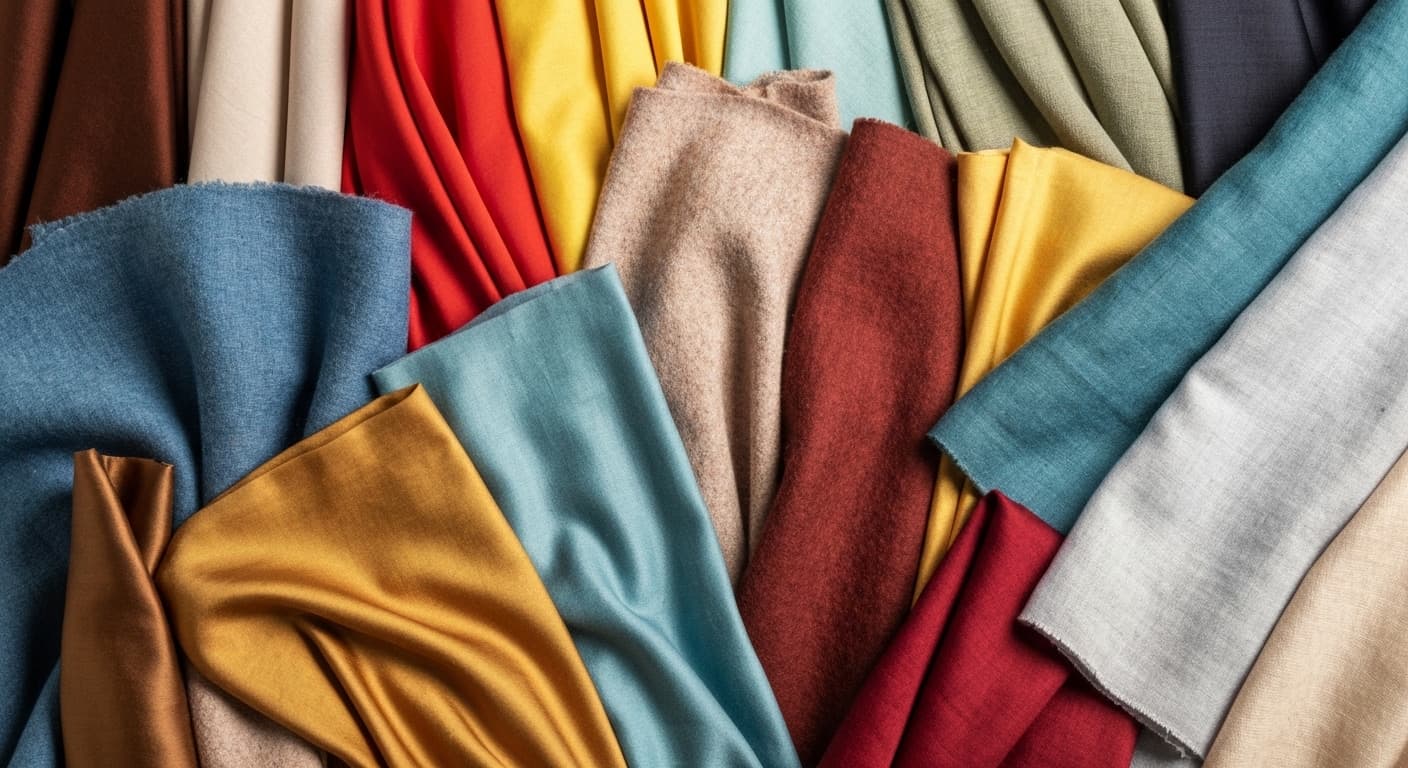
Fabric behaviour on the body. Structured fabric holds a shape independently of the body inside it. Fluid fabric follows the body's movement and weight. A person whose body has significant curves will read very differently in a stiff cotton than in a fluid silk, and neither is categorically better. The question is which reading the person wants to project. Stiff structures tend to communicate authority and precision; fluid structures tend to communicate ease and approachability.
Length is the most underused lever
Most people spend significant effort choosing garments and minimal effort on fit. Yet fit, especially length, is the single most impactful variable in how any piece of clothing reads on the body. A well-cut trouser in the wrong length is a worse choice than a modest trouser in the right length. Every time.
Alteration is undervalued in most wardrobes. Hemming a trouser costs less than a new pair and changes the silhouette more significantly than almost any other intervention. If you consistently feel like clothes “almost” work, they are the right colour, the right weight, the right silhouette, but something is slightly off, the length is usually where to look.
What this means in practice
You do not need a professional body reading to apply this. You need to start asking a different question when you try something on. Not “does this look good?” — which is too general to act on. Instead: where does this hem fall relative to the widest point of my leg? Does this shoulder line match my natural shoulder or sit past it? Does this waist placement create the proportion I want?
These questions have specific answers. Once you start answering them, the closet becomes less mysterious. Pieces you always loved but never felt right in reveal why. Pieces that always work reveal the pattern behind why they work.
Pair this with an understanding of your undertone and texture vocabulary, and the variables that determine what works on you become a coherent picture rather than a mystery that changes every morning.