A job interview is one of the highest-stakes dressing situations most people face. But the stakes are not sartorial. They are psychological. What you wear does not get you the job. Wearing the wrong thing, though, or wearing the right thing badly, can put you in a mental position from which you never quite recover during the conversation.
The goal of interview dressing is not to impress. It is to remove clothing from the list of things your brain is managing during the interview, so that everything available goes to the conversation.
The research on first impressions
Studies on thin-slice judgements, the rapid assessments people form from minimal information, show that durable impressions are made within the first few seconds of meeting someone. These impressions are difficult to revise, even when subsequent information contradicts them. In an interview, the visual assessment happens before you speak: before your credentials, your answers, or your personality have had a chance to land.
The implication is not that you should dress to perform a character. It is that you should dress in a way that gives the interviewer nothing to worry about, so the interview can be about you. A distracting outfit, whether too formal, too casual, too loud, or visibly uncomfortable, pulls attention to itself rather than to the person wearing it.
Read the room: dress codes by context
The single most important piece of interview research you can do is understanding the specific culture of the organisation you are walking into. The same outfit that conveys confidence and competence in a law firm reads as stiff and out-of-touch in a creative agency.
Formal professional environments, law, finance, consulting, senior corporate roles, respond to structured, conservative dressing: a well-fitted suit or tailored separates, a single clear colour palette, minimal jewellery. The signal is that you understand the register of the room before you have been invited into it.
Business casual environments, most mid-size companies, healthcare management, education administration, reward smart but not stiff. A blazer over a clean shirt, tailored trousers or a structured dress. Considered without being performative.
Creative and startup environments are tricky because “casual” in these settings does not mean underprepared. It means expressing personality while still signalling that you took the interview seriously. One interesting piece, a considered colour choice or a distinctive accessory, reads better than attempting to mirror their casual dress exactly.
When in doubt: one level up from what you would wear on the job. Not two levels, which reads as not understanding the culture. One level communicates respect for the occasion without misreading it.
The practical framework
Before you plan your interview outfit, answer three questions:
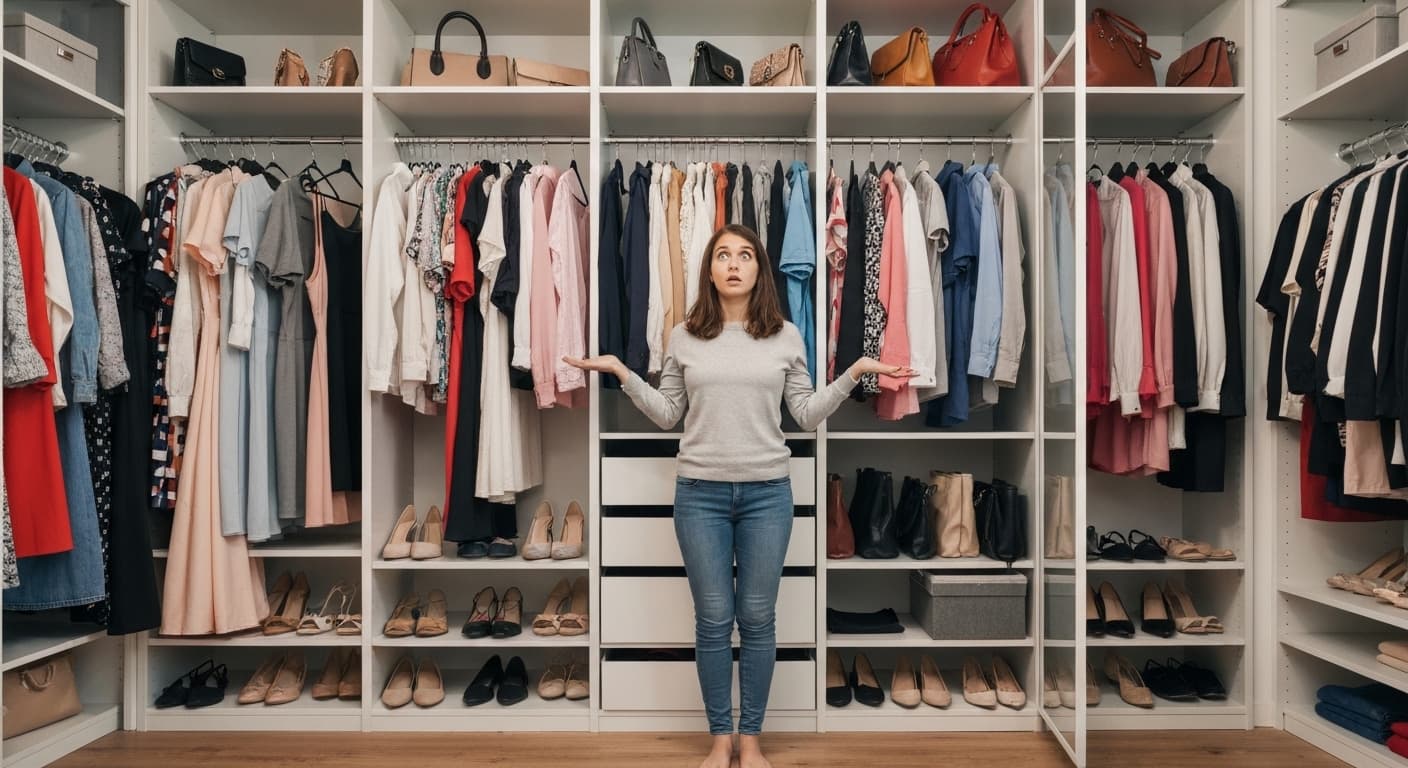
Have I worn this before? An interview is not the moment to try an unworn piece, a new shoe that has not been broken in, or a combination you have not tested. Everything you wear should already be known to you. You need to know how it feels when you sit down, stand up, and walk a corridor.
Is this right for my undertone? Colour does significant work in an interview context. A colour that works against your skin tone can make you look tired, which reads as disengaged, exactly the opposite of the impression you need to land. If you are unsure, the undertone test takes four minutes and the difference is visible.
Can I forget about it? The best interview outfit is one you stop thinking about the moment you walk out the door. If you are still evaluating whether the choice was right when you arrive, it was not right. Try the outfit the day before. Wear it for an hour. If it stops being something you think about, it is working.
What not to wear, and why
Avoid anything that generates a decision during the interview: an item that requires adjusting, a heel that changes how you walk, a collar that needs constant management, a colour you are second-guessing. The piece itself may be fine. The problem is the cognitive overhead it creates at exactly the moment you need all your attention elsewhere.
New pieces with visible tags or fold lines from packaging signal that you bought something specifically for the interview, which reads as either unprepared (you had nothing suitable) or performative (you are wearing a costume). Neither helps. Buy anything new at least a week in advance and wear it before the interview.
The confidence equation
The research on enclothed cognition is clear: what you wear changes how you think and perform, not just how others perceive you. Wearing something that feels right, that fits your style archetype, that flatters your colouring, that you have worn confidently before, is not vanity. It is preparation. The interview starts before you speak. Make sure you are already ready when it does.